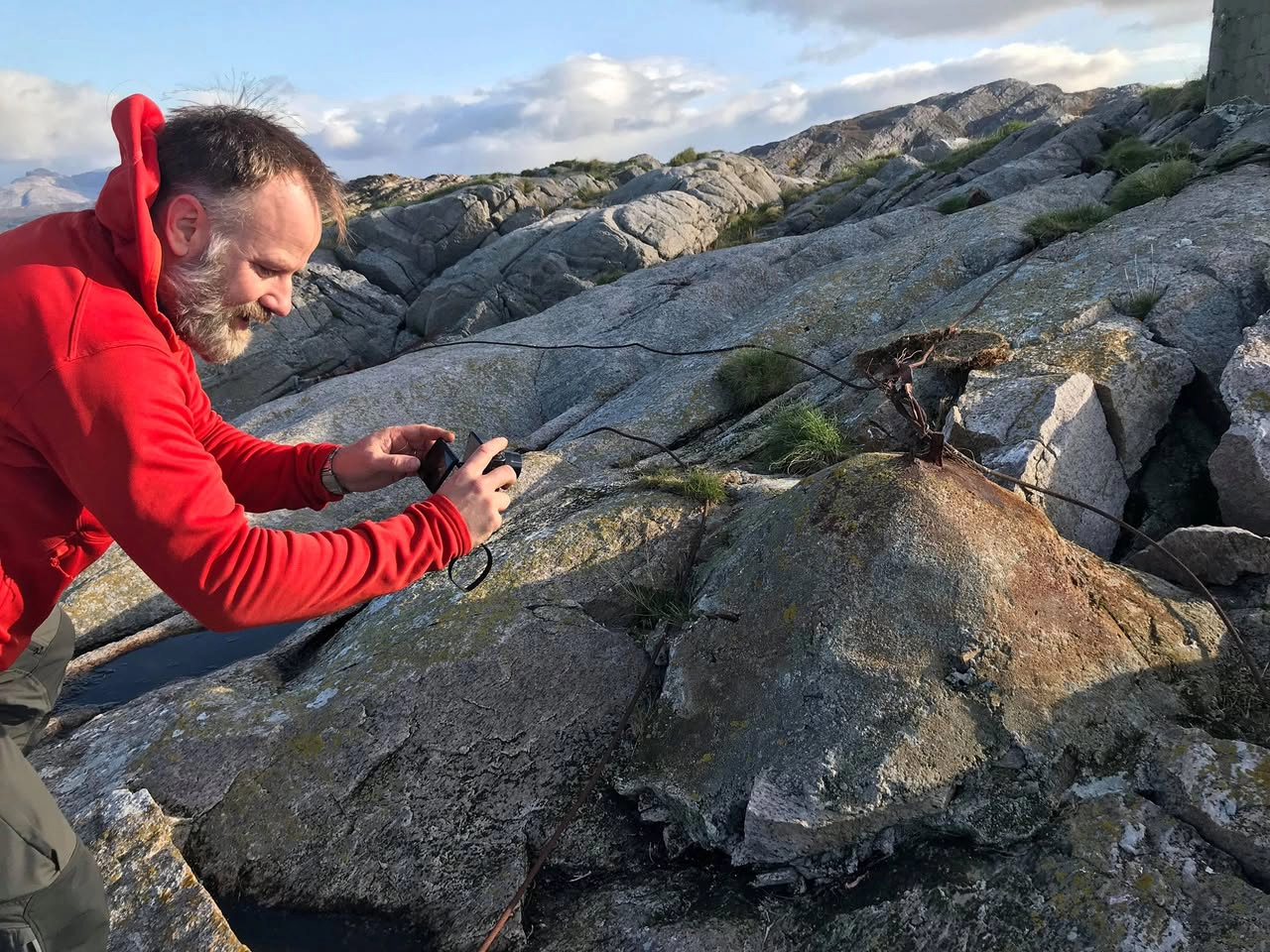
Mission
Discover the complete life cycle of the coastal batteries in the Ofoten region. By bridging the gap between archival records and physical military infrastructure, we bring history back to the surface

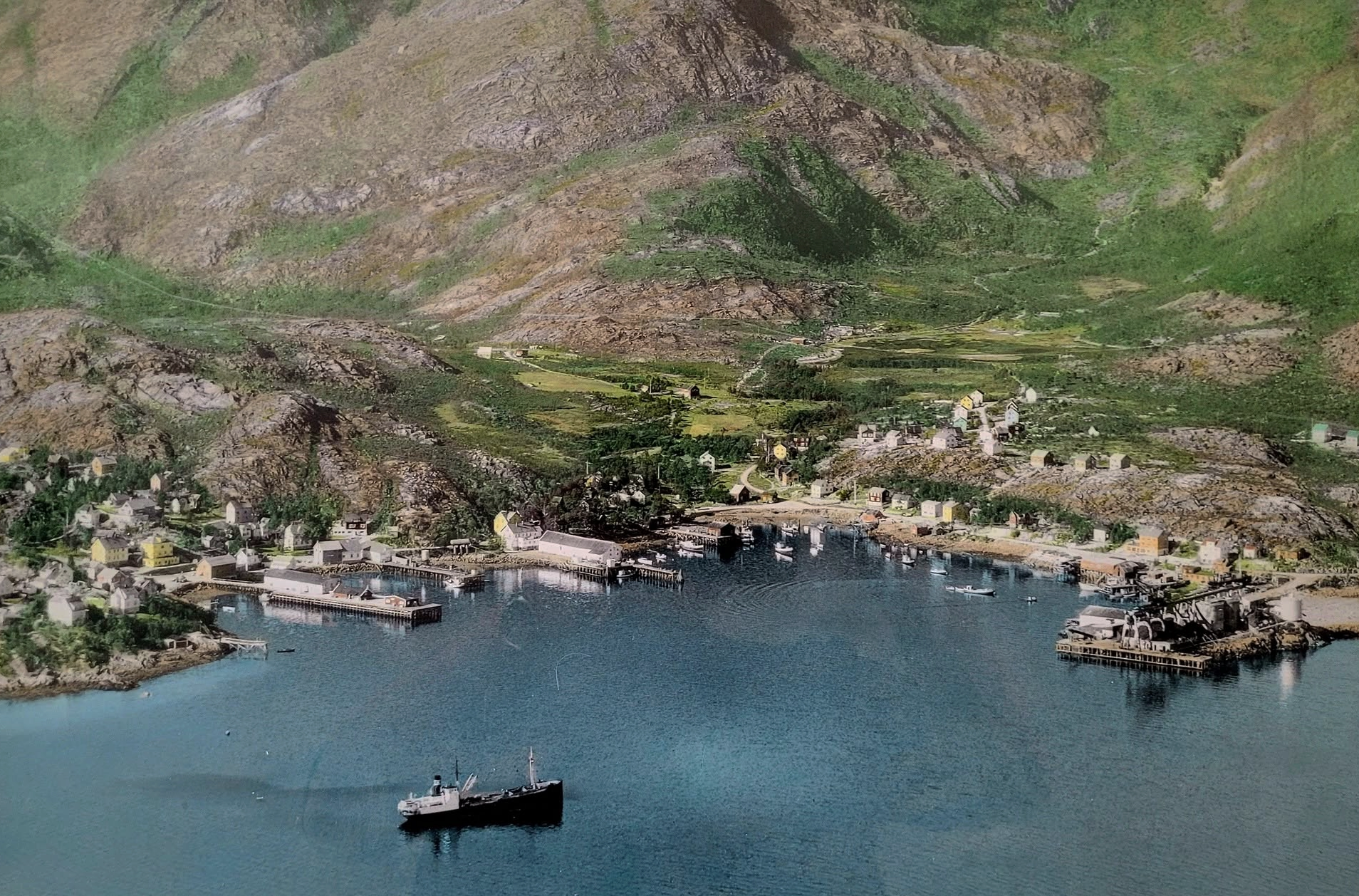
WWII: Headquarters for Marine Artillerie Regiment 30 and the harbour master (Hafenkapitän); a regional naval, logistical, and communications hub
Cold War (1945–2002): Headquarters for Narvik fortress and the naval defence district, and the garrison town for Nes fortress
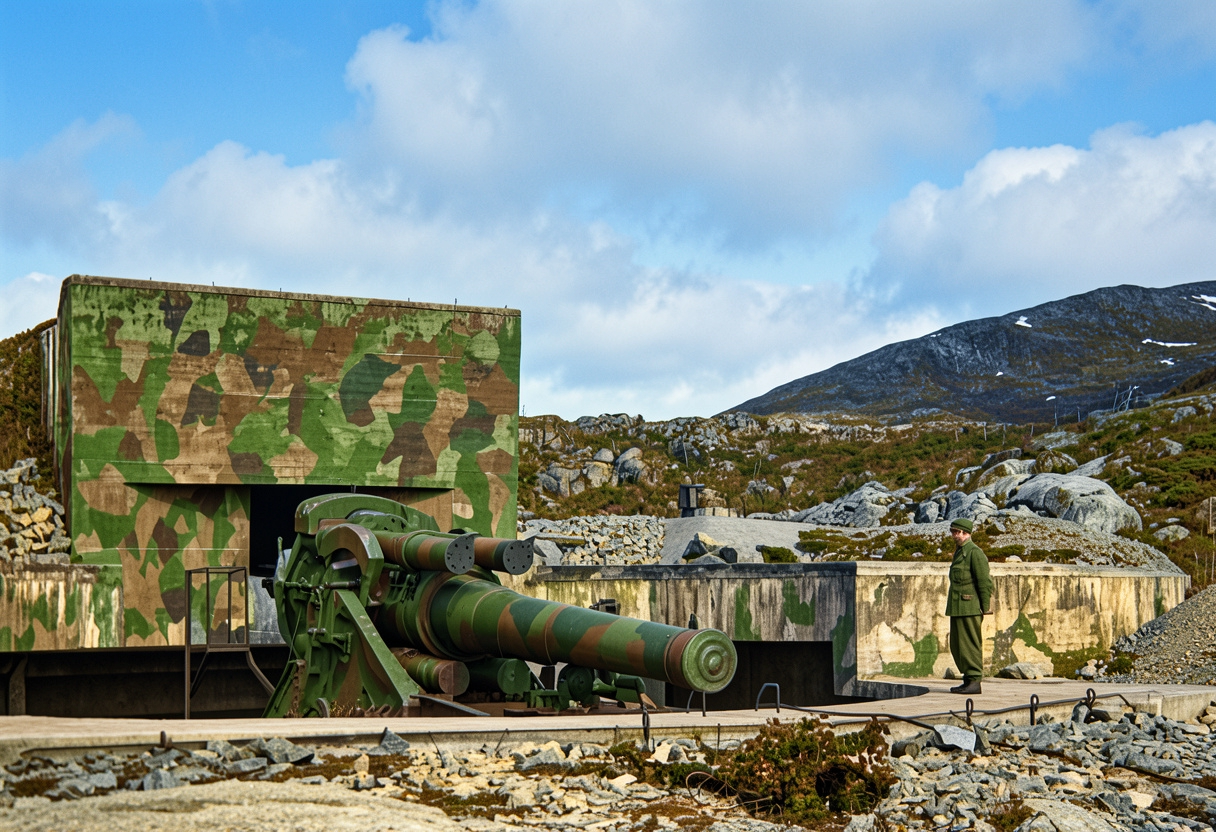
WWII: Heavy battery MAA 3./Lödingen; equipped with four ex-Norwegian 30.5 cm Bofors M/16 coastal howitzers
Cold War (1952–2002): Retained as Nes fortress and re-armed with four ex-German 15 cm SK C/28 guns in casemates (1952–1993), subsequently modernised with two 120 mm automatic armoured gun turrets (1991–2002)
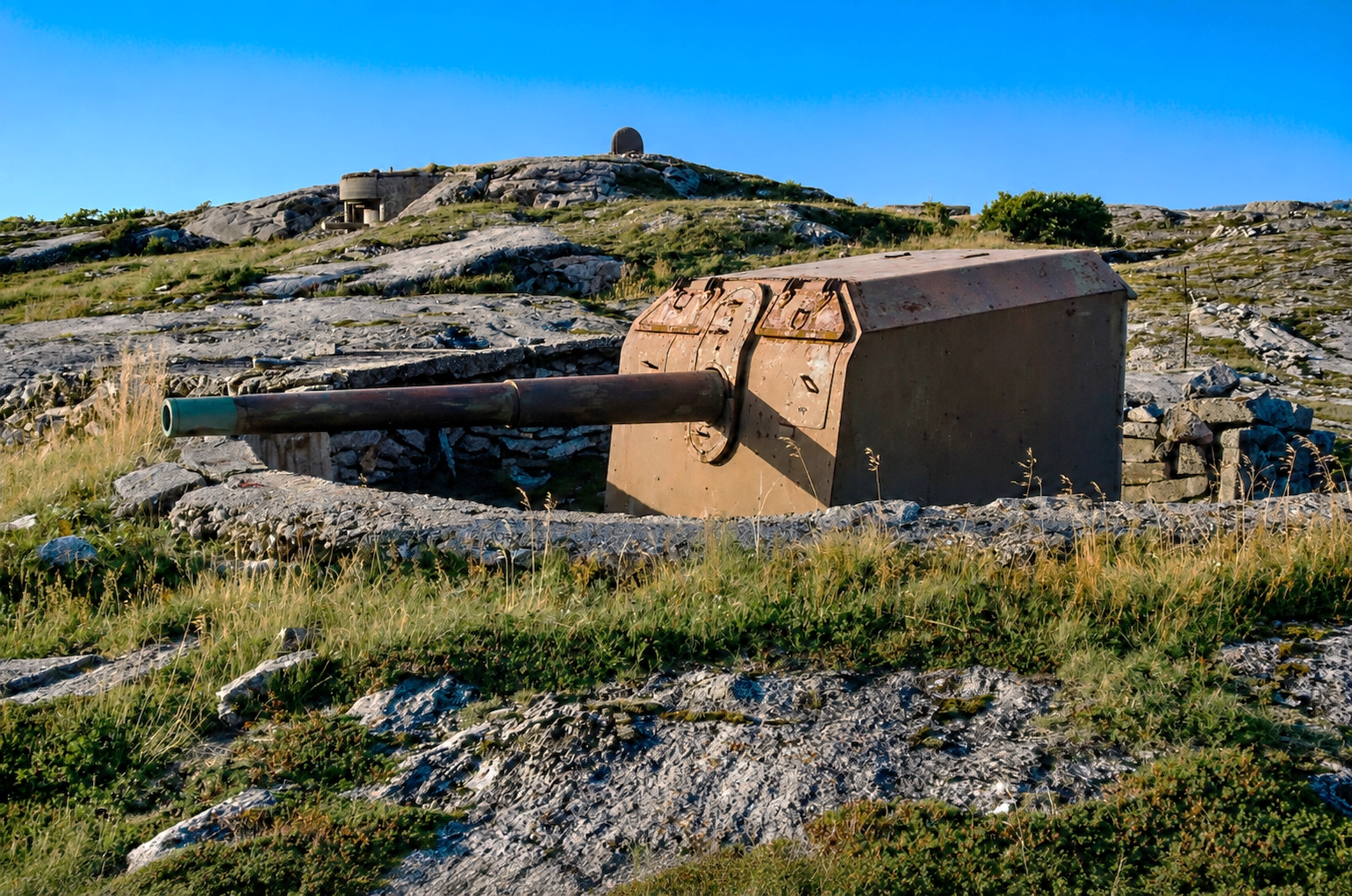
WWII: Naval battery MAA 2./516 Tjeldöy; initially equipped with four 15 cm UTO guns, subsequently upgraded to four 15 cm SK L/40 guns
Cold War (1945–1998): Shifted from standby unit to mobilisation status 1968; modernised with four ex-German 12.7 cm SK C/34 guns in casemates structurally connected to the coastal artillery's largest underground complex
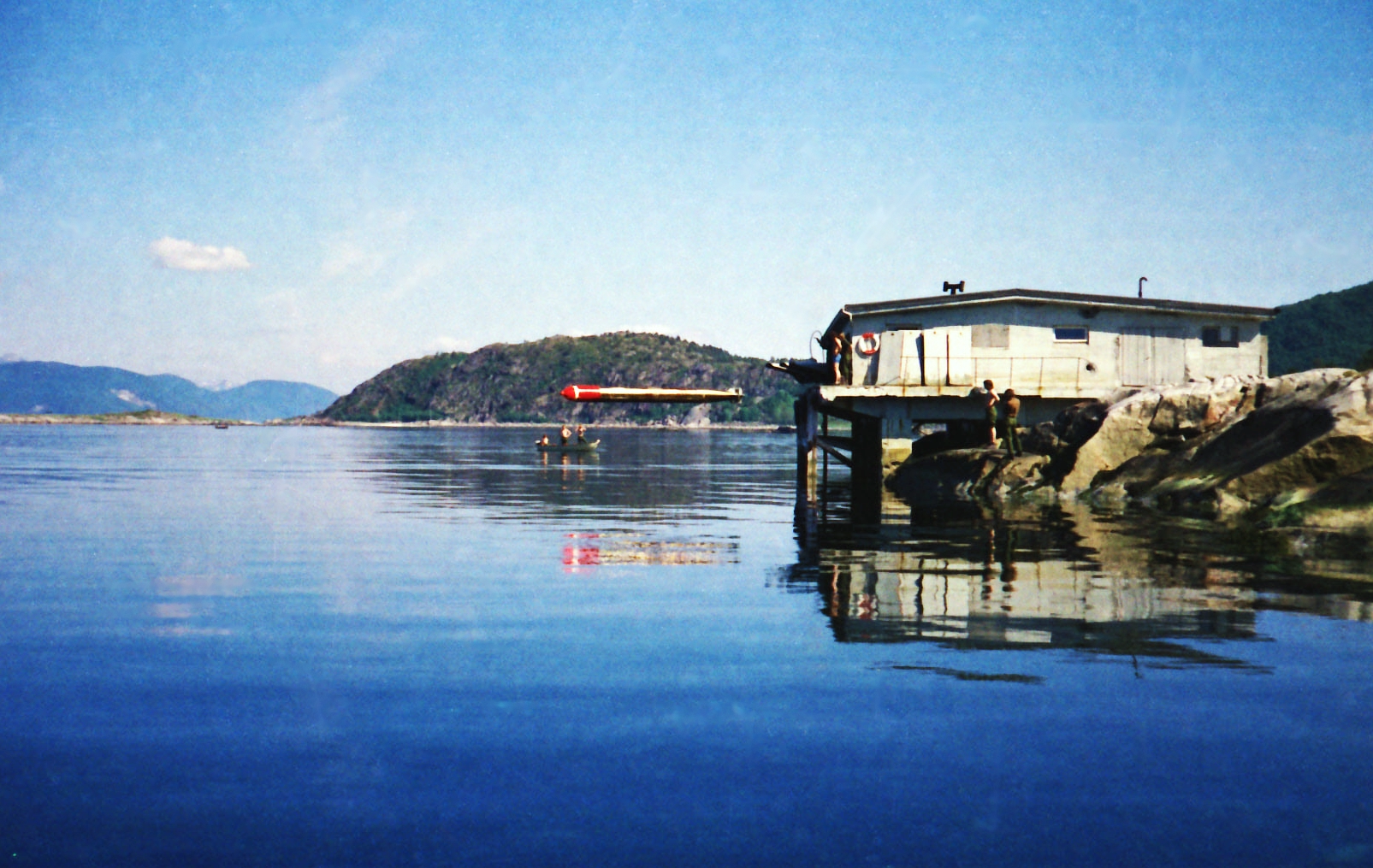
WWII: Torpedo battery MAA 6./516 Korshamn, upgraded in 1944 from twin 50 cm G7v tubes to a triple 53.3 cm G7a configuration
Cold War (1945–1994): Modernised in 1981 with a fully subterranean bunker housing upgraded heavy torpedo systems
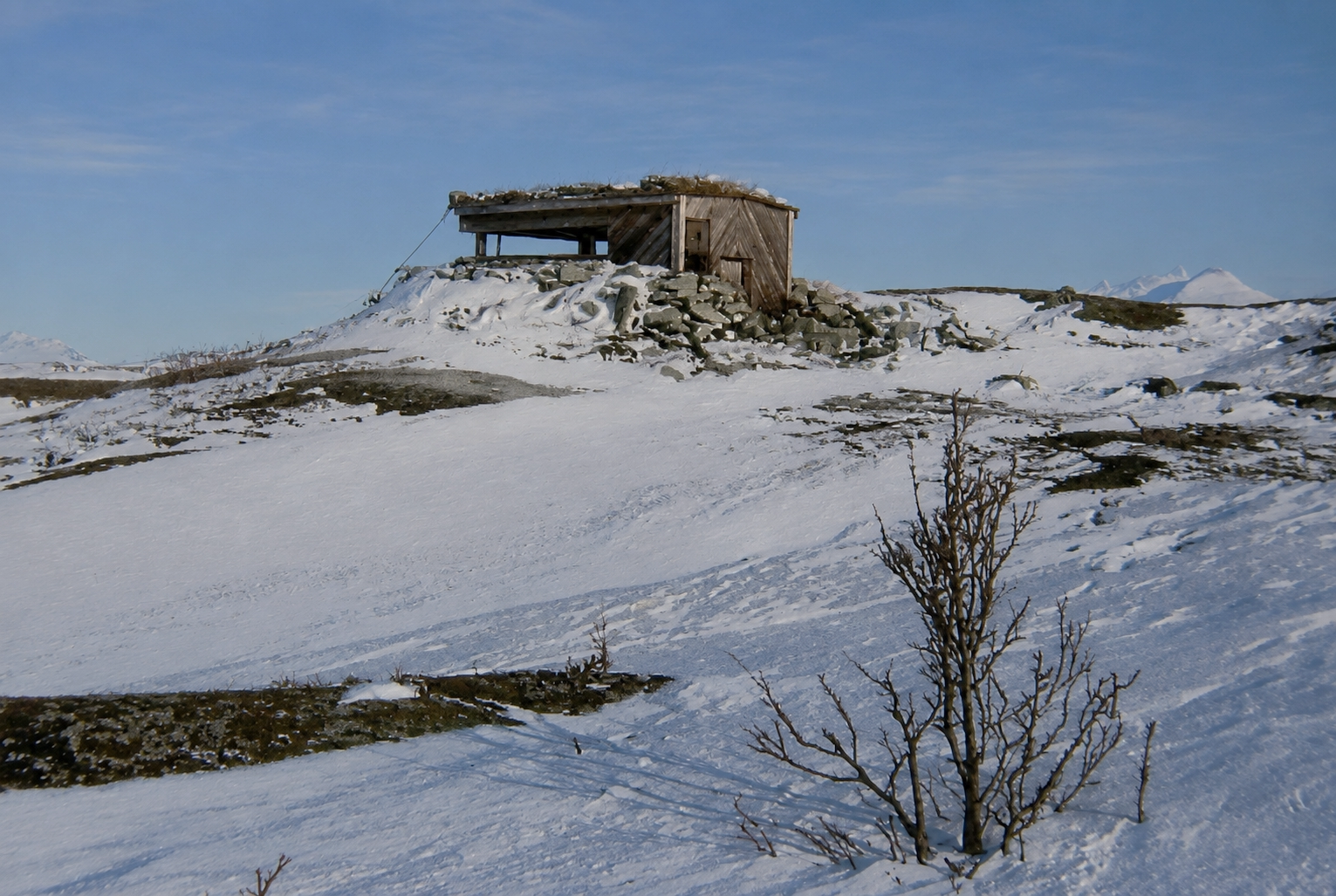
WWII: Complex multi-branch outpost hosting a naval signal station, Flugwache and Küstenwache, and Peilstand at the lighthouse, alongside searchlight and acoustic submarine detection array (Küstenhorchanlage) at Langnesodden
Cold War: Considered for a 150 mm gun battery; however, Nes was chosen and Barøy abandoned for military use
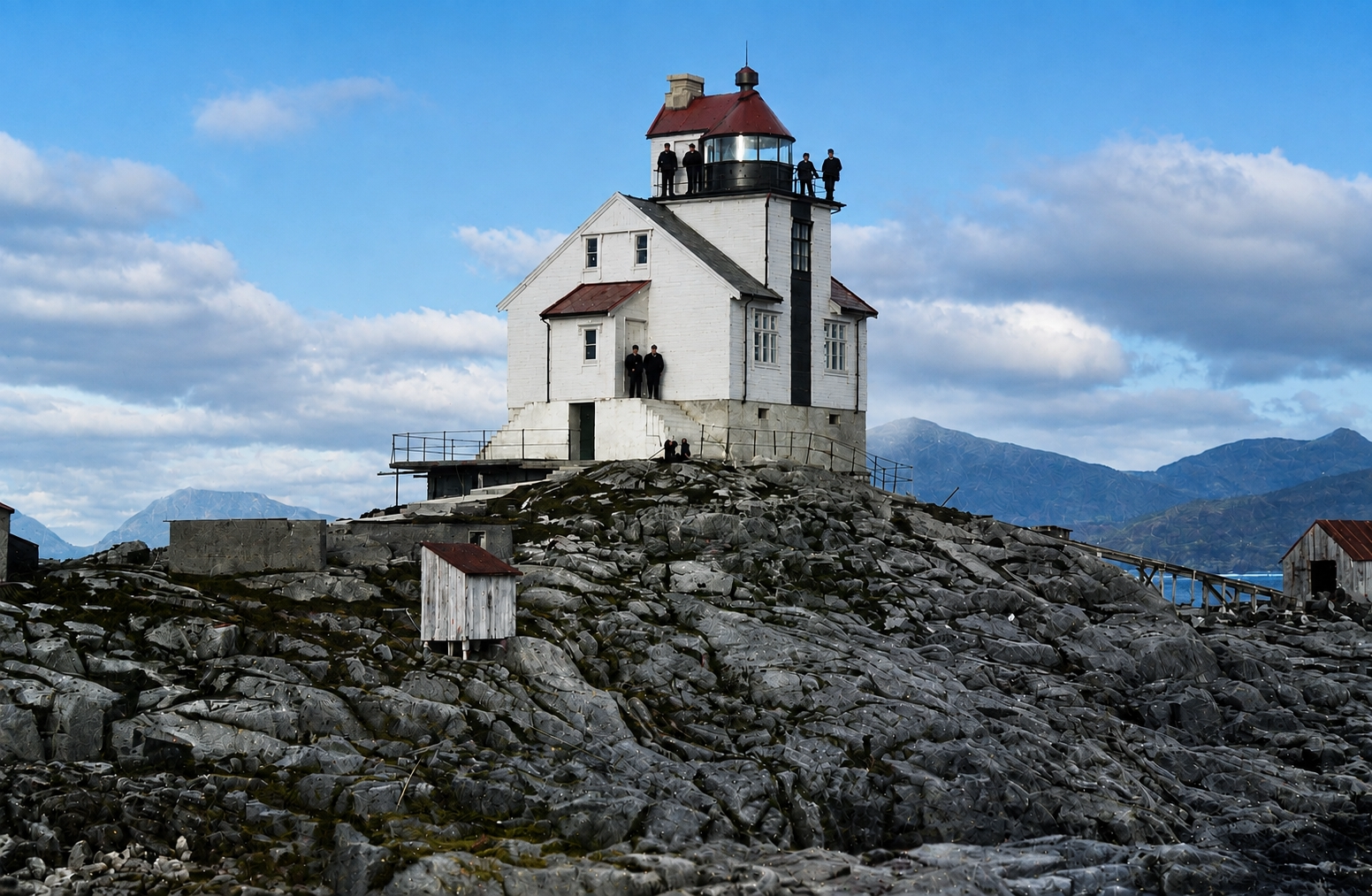
WWII: Complex multi-branch outpost hosting naval radio, naval signal station, Flugwache and Küstenwache, a FuMO 1–3 Calais radar, two searchlights, and Peilstand
Cold War (1945–1991): Nes fortress retained a searchlight; planned location for a subterranean submarine detection array
Individual installation files and technical records are currently being transferred to this newly modernized database framework. Recent articles and full structural blueprints will populate this section as structural indexing concludes
Fortress Vestfjord is an independent, pro-bono historical research and documentation project dedicated to uncovering the military geography and coastal defences of the Ofoten and Narvik regions in Northern Norway
Discover the complete life cycle of the coastal batteries in the Ofoten region. By bridging the gap between archival records and physical military infrastructure, we bring history back to the surface
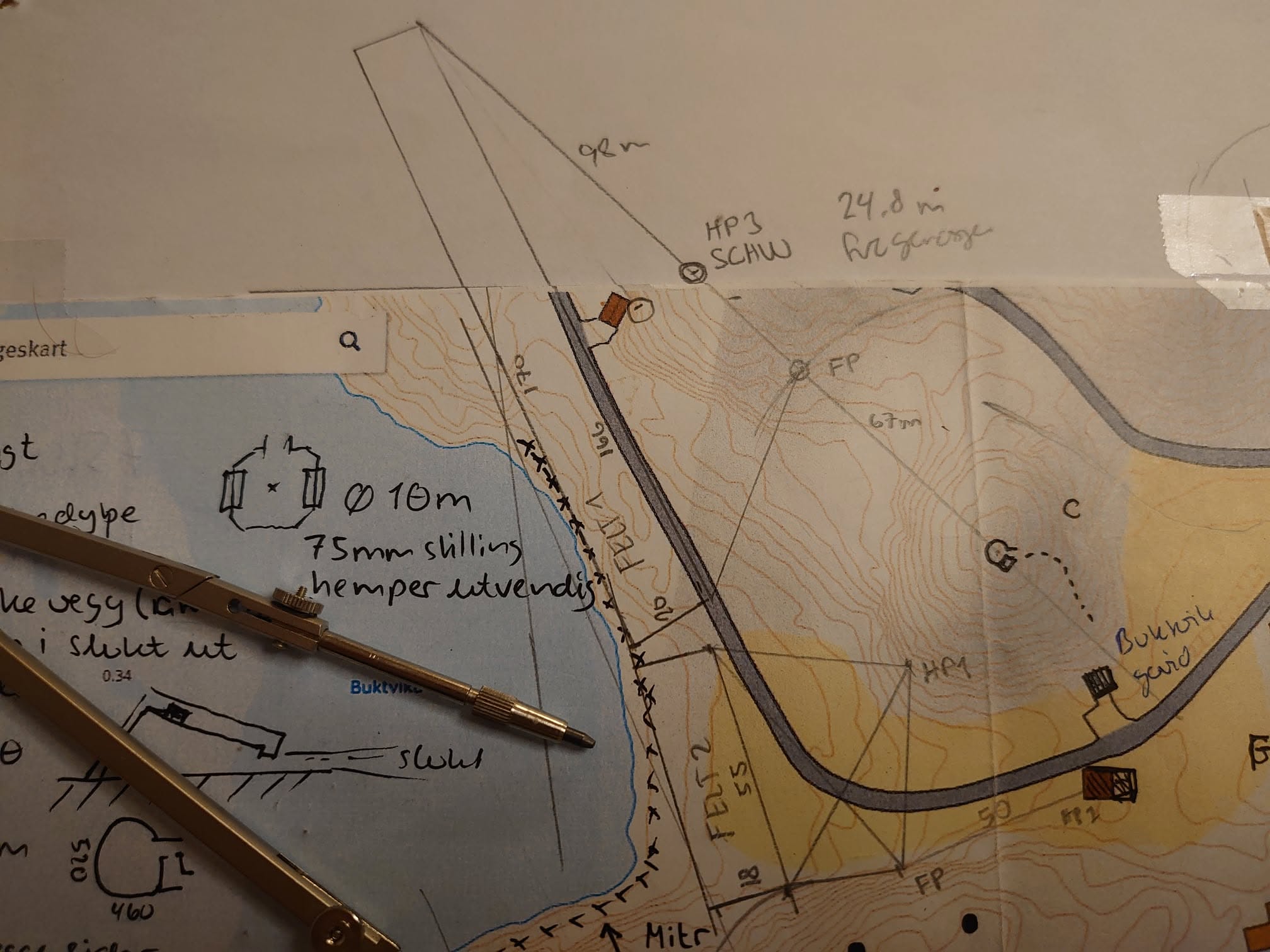
While the groundwork began in the 1990s, the project entered a modernised phase in 2020, combining deep archival research with digital tools to document these historical locations
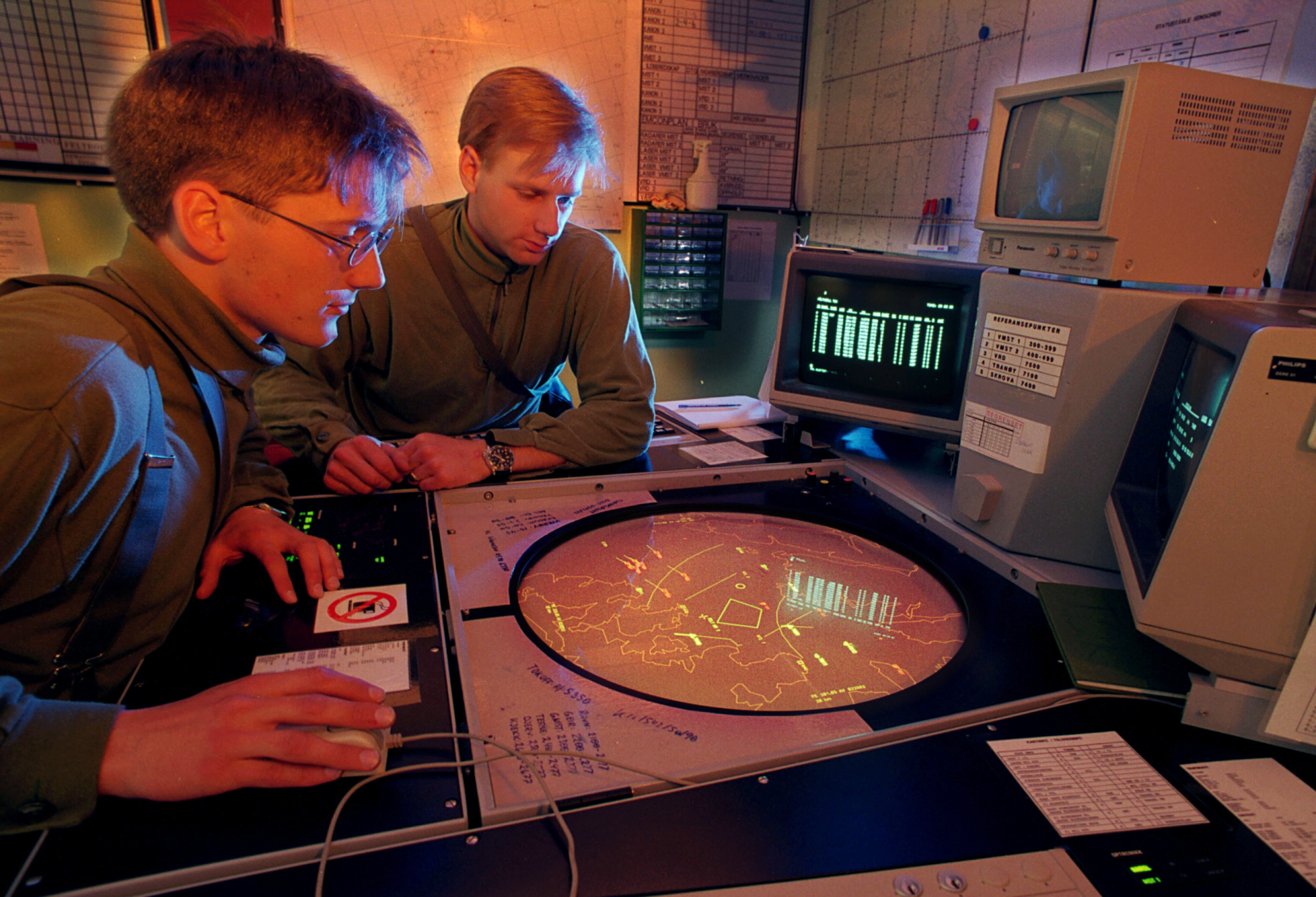
Founded by Klaus Johansen, an active-duty military officer with personal experience from the coastal artillery and Nes fortress. This background provides unique technical and operational insights